BEST BELTS IN RED
What Are The Best Belts In Red?
Best belts in red bring structure, color, and definition to outfits that might feel unfinished without a strong waist detail. Instead of treating red belts as a novelty, think of them as focused tools for shaping clean lines, anchoring proportions, and pulling together palettes built on neutrals. The best options sit smoothly at the waist or hip, lie flat under lightweight knits, and feel secure without digging in. Slim red belts in smooth leather work well with tailoring and denim, while wider waist belts, corset inspired silhouettes, and braided finishes add interest over dresses or soft layers. Patent red belts read sharp and high impact, suede textures feel softer and season ready, and croc embossed finishes add depth without extra hardware. When styling red belts, prioritize shade, hardware tone, and width, so the belt supports the look rather than competing with it. Red belts become easy to style once you treat them as part of your regular rotation instead of a one off accent.
Sort + Refine


Size
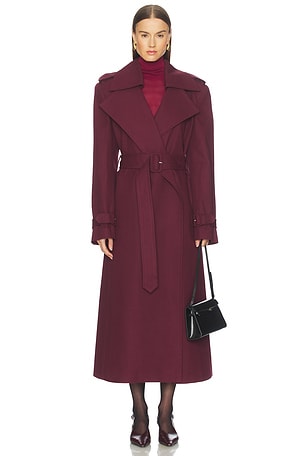
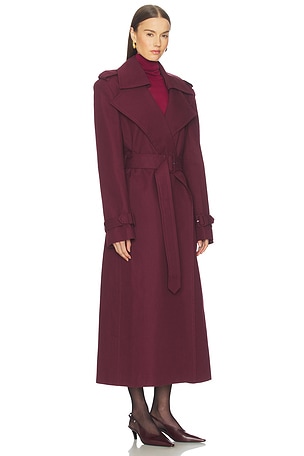
Eladia Coat in Red
Camila Coelho
- Length: Long
- Neckline: Collar
- Sleeve Type: Standard

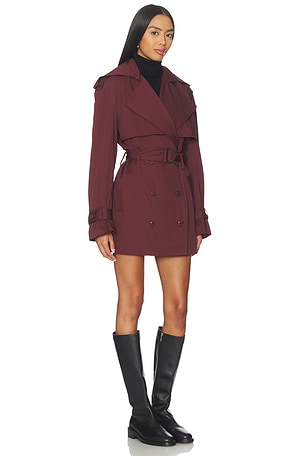
Aster Short Trench Coat in Red
Bardot
- Age group: Adult
- Length: Hip Length
- Type of Product: Anytime
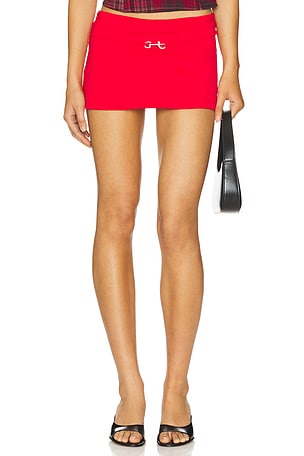
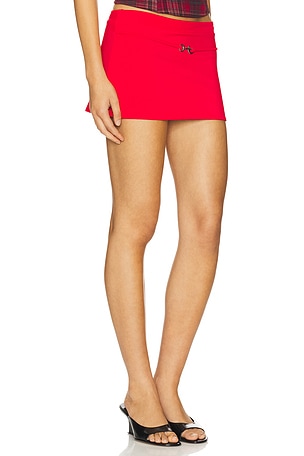
North Light Mini Skirt in Red
LIONESS
- Rise: Low Rise
- Subclass: Bodycon
- Type of Product: Anytime
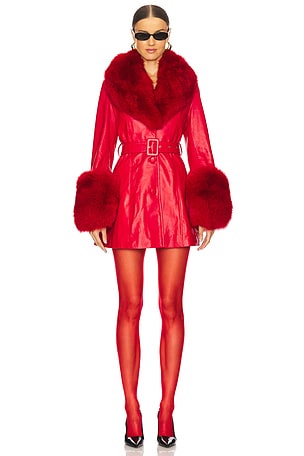
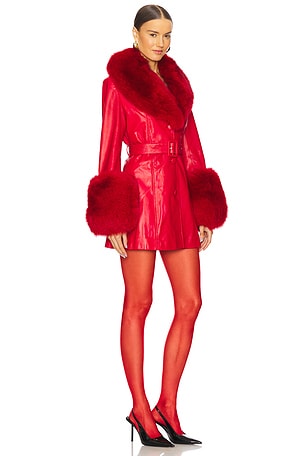
Roxy Leather Coat With Fur Trim in Red
Susanna Chow
- Sleeve Length: Long Sleeve
- Sleeve Type: standard
- Type of Product: Winter/Coldweather


Once you have a sense of your core wardrobe, red belts slide in naturally. Focus on rich leather or suede, neat stitching, and hardware that aligns with your jewelry or bag clasps. Deep crimson and wine tones feel grounded with black, charcoal, navy, and chocolate, while clearer cherry reds cut through lighter palettes and washed denim. Matte finishes keep the belt feeling polished for day, gloss and subtle texture bring more presence at night. Think about where the belt sits, true waist for dresses and high rise separates, hip for relaxed denim and slouchy trousers. This keeps the color intentional and the overall line of the outfit streamlined.
Where Can You Wear Red Belts?
Red belts work across office, off duty, and evening settings when you treat the shade and finish as adjustable levers. Dial down the intensity with darker reds and brushed hardware for day, then lean into bolder tones, sleeker materials, and stronger contrast when you need more presence at night or for social plans.
Work settings: choose a slim, matte red leather belt over tailored trousers or a pencil skirt, paired with crisp shirting and structured blazers so the color reads intentional, not loud.
Casual or daytime dressing: let a cherry red belt break up vintage wash denim, a white tee, and a cropped jacket, giving a simple uniform more structure and focus around the waistline.
Social gatherings: use a deeper red belt over a black slip dress or neutral knit set to define the waist, tie in lipstick or nails, and keep the overall palette sharp and considered.
What Occasions Are Ideal For Wearing Red Belts?
Red belts support a wide range of moments, from relaxed weekend routines to structured workdays and evening plans. The key is matching the intensity of the red and the shine of the hardware to the mood, keeping the color grounded within your outfit rather than feeling like a costume detail.
Weekend brunch: cinch a soft knit dress or relaxed shirt dress with a slim red belt, then anchor the look with low heels or boots so the belt becomes the single focused accent.
Creative office days: ground tailored trousers or dark denim with a structured red belt, balancing the color with a neat knit or button down so the outfit still feels polished and focused.
Evening events: pair a sleek red belt with an all black or deep navy look, letting the belt echo a red lip or clutch so the color story stays sharp, minimal, and intentional.
Season transitions or travel: use a red belt over layered knits, trench coats, or lightweight puffers to define the waist, keep volume controlled, and bring a steady color note to changing outfits.
How Do You Style Red Belts With Other Pieces?
Styling red belts comes down to managing proportion, contrast, and texture. Start by deciding whether the belt should blend with your base or cut through it. Then balance hardware with jewelry, keep lines clean through the waist, and repeat red lightly in lipstick, nails, or a small accessory so the outfit feels coherent rather than theme driven.
Neutral base: cinch beige, camel, gray, or white foundations with a red belt, letting the color act as a single sharp line that shapes the waist without crowding the rest of the look.
Denim pairing: pair red belts with mid wash or dark denim, matching cooler reds with inky blues and warmer reds with vintage washes so the undertones feel aligned and calm, not clashing.
Tonal layering: work red belts into palettes of rust, brick, brown, and clay, letting the belt either shift one shade brighter or darker so the whole column feels rich and grounded.
Structure first: use red belts to define the waist over cropped jackets, tailored blazers, or clean sheath dresses, keeping hemlines sharp so the strong color line feels intentional and balanced.
Picking Your First Best Belts In Red This Season
When choosing your first red belt, start with what you wear most. If your closet leans heavily on denim and tailoring, a slim, smooth leather belt in a balanced mid red with brushed metal hardware is a smart entry point. Dress driven wardrobes may call for a wider waist belt that can sit over knit dresses and soft tailoring. Consider whether you prefer cooler, blue based reds or warmer, brick leaning reds, and match that to your usual color stories. Hardware matters, so decide if you reach for gold, silver, or mixed metals most days. The goal is a belt that slips into your current outfits without demanding a full reset of your accessories or shoes.
Over time, you can introduce additional red belts, a deeper oxblood for work, a glossy finish for nights out, or a braided or textured option for off duty dressing. Keep an eye on comfort, adjustability, and how smoothly the belt sits under or over layers. A considered red belt should frame your waist, support clean proportions, and align with the way you already dress. With the right choice, the color feels steady and confident, adding focus to your outfits without overwhelming them, season after season.